For years, I'd go out with my camera, come home with photographs I liked, and eventually turn them into a book or slideshow. Looking back, those books were really just collections of individual images. They didn't tell a story.
That changed during a trip to Bermuda this past spring.
My wife and I have been there many times, but this visit felt different. Instead of photographing only the beaches and familiar landmarks, I found myself paying attention to the quieter moments—a ferry ride across the harbor, a neighborhood street before the shops opened, dinner at the end of the day. When I looked through the photographs after we got home, I realized they weren't just pictures of Bermuda. Together, they told the story of our trip.
That's when I started thinking differently about the coffee table book I want to create about the Jersey Shore.
I don't want it to be a collection of my best photographs. I want it to tell the story of this place.
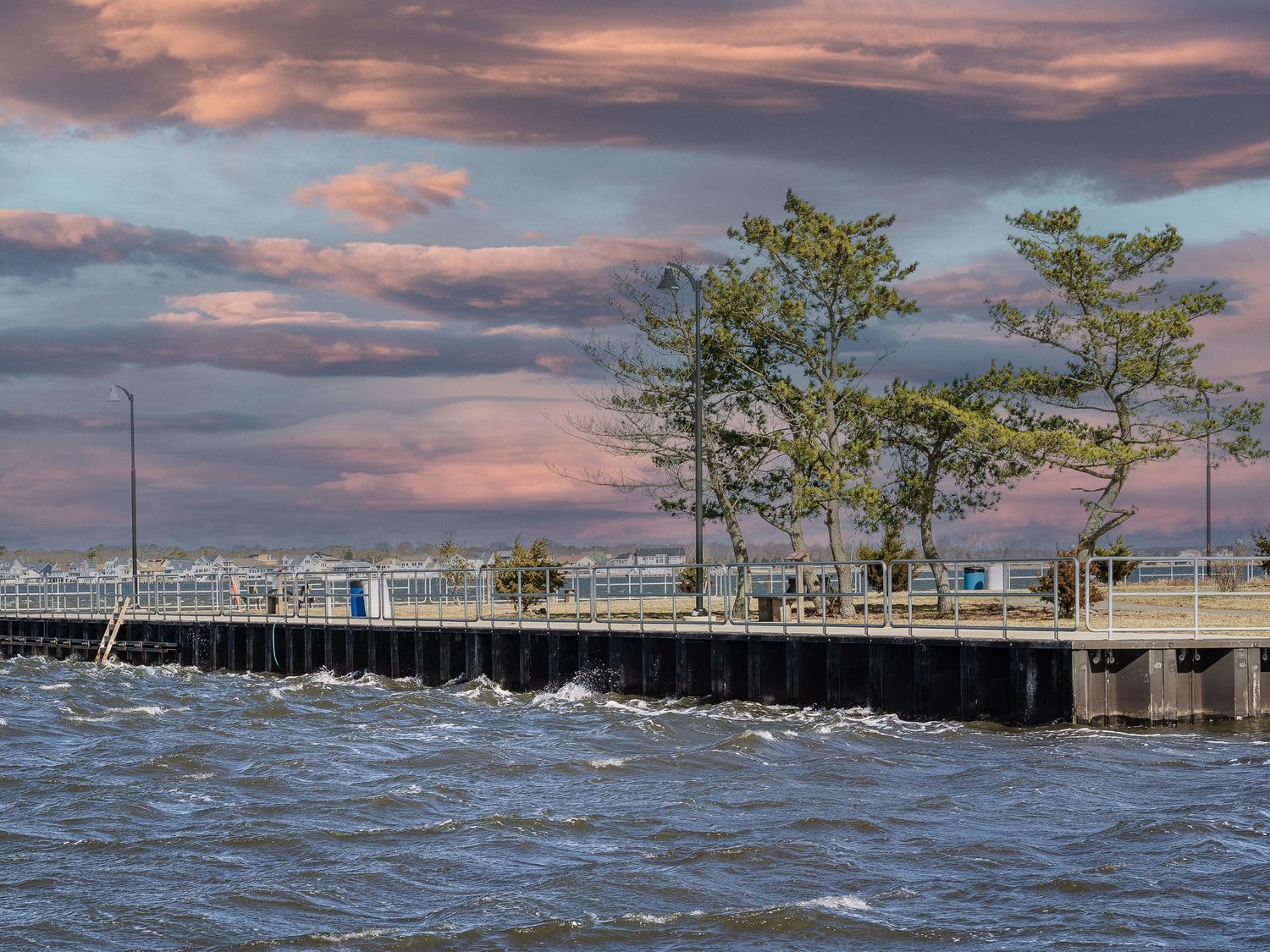
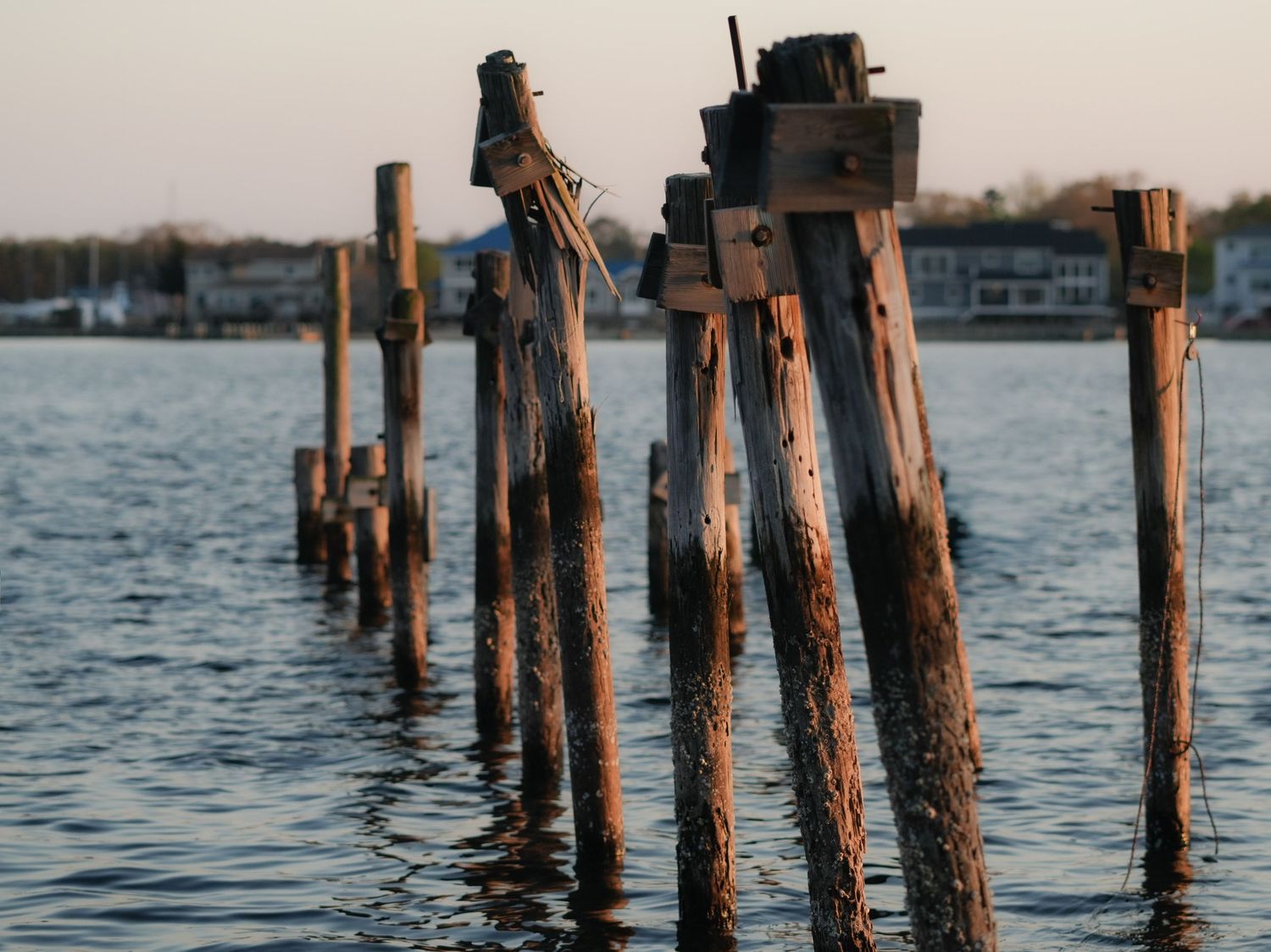
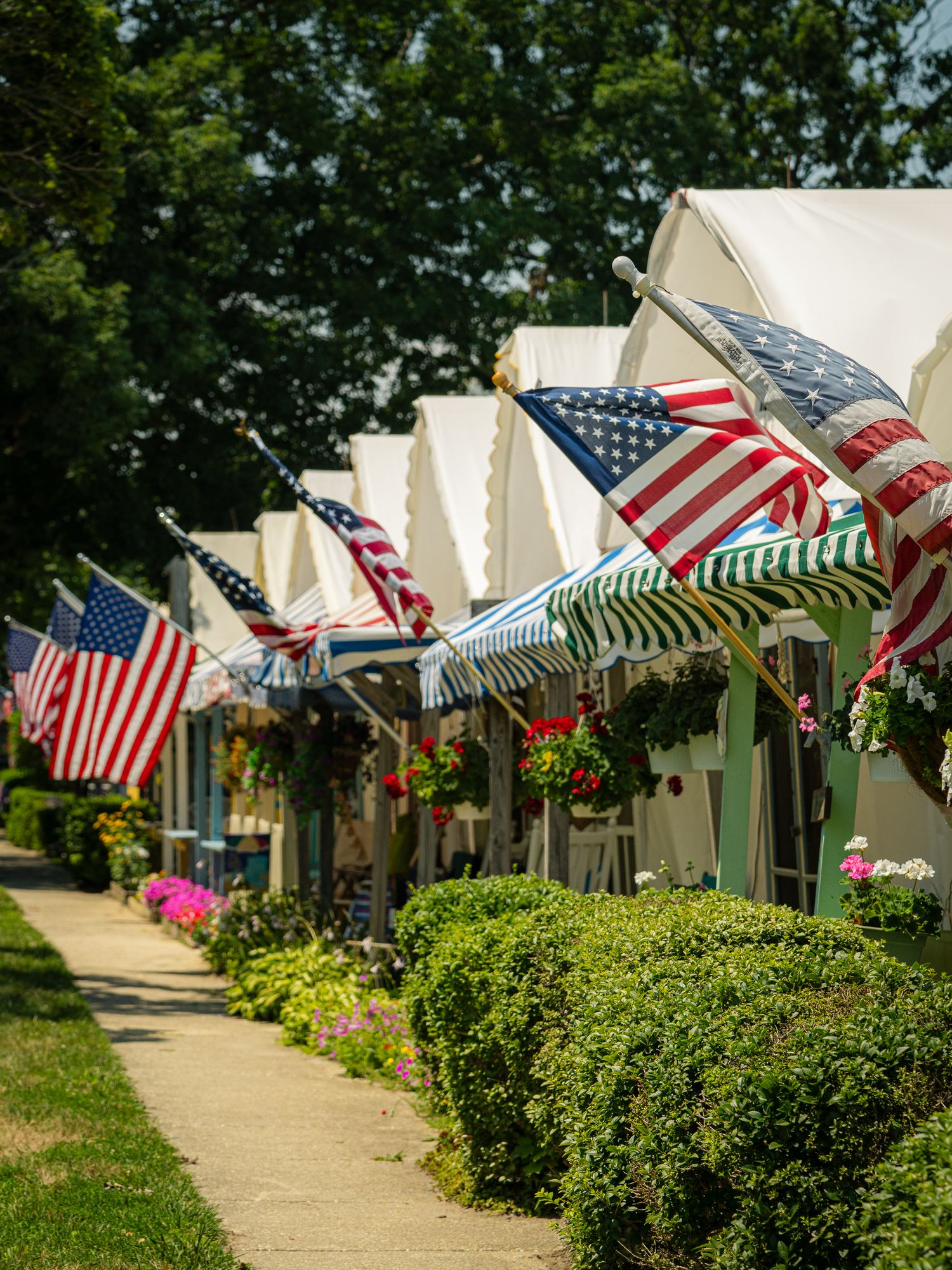
The Jersey Shore has two completely different personalities. Most visitors know the excitement of summer, but once the crowds leave, another side begins to emerge. The beaches grow quiet, the marshes take on a different beauty, and the small towns settle into a slower rhythm. Some of my favorite photographs are made during those months, which is one of the reasons I don't expect this project to be finished in a year—or even two.
If I'm going to tell the story of the Jersey Shore, I want to tell all of it.
That simple idea has changed the way I photograph. I still look for good light and strong compositions, but now I also ask myself where an image fits in the larger story. Does it help someone understand this place? Does it add something that the previous page didn't?
I'm no longer thinking about individual photographs.
I'm thinking about chapters.
And maybe that's the biggest lesson this project has taught me. A meaningful book isn't built one great photograph at a time. It's built by patiently gathering the moments that, together, tell a story.